Marshall the Pioneer Blog Series: Part 3
The First to Scientize Pronation-Based Pitching Mechanics
Part 3 examines when science became strategy — when Dr. Mike Marshall used biomechanics to prescribe pronation-only pitching and protect youth arms.
New to the Series?
Check out Part 1: Biomechanics and Part 2: Kinesiology
Dr. Mike Marshall’s Pronation-Based Pitching Mechanics Challenged Tradition
For decades, baseball taught pitchers to finish with their palm facing upward (supination)—a motion that placed undue stress on the elbow and shoulder. This led to:
- Increased UCL strain and elbow injuries
- Shoulder overload and long-term breakdown
- Inefficient energy transfer and reduced pitch longevity
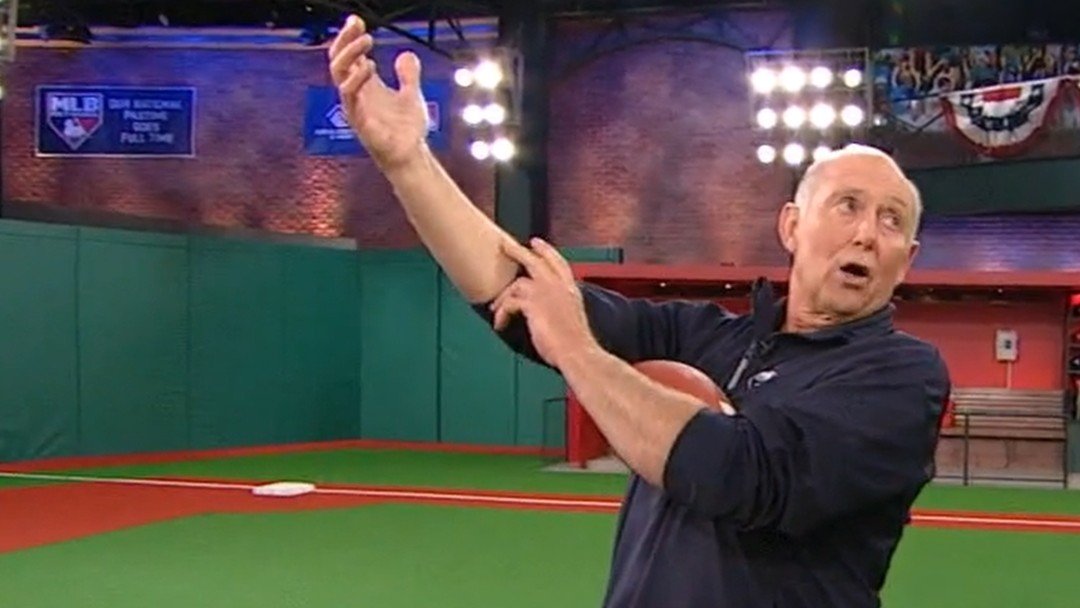
Some pitchers may have naturally incorporated pronation, but Marshall was the first to formally study its effects, refine its application, and advocate for its widespread use as a biomechanical safeguard—intentionally designed to prevent injury.
The Science Behind Pronation-Based Throwing
To Marshall, pronation wasn’t a tweak—it was a paradigm shift.
“I learned that I needed to powerfully pronate my pitching forearm before and during my releases. This protected my pitching elbow.”—Dr. Mike Marshall, Pitching Analysis via Chris O’Leary.
At the time, baseball resisted these findings. But Marshall remained steadfast, publishing detailed research and training pitchers using pronation-based mechanics. Marshall’s Key Discoveries:
- Pitchers should pronate through release—not supinate—to reduce UCL stress
- Pronation redirects force safely across the arm, lowering injury risk
- The motion creates a more natural energy transfer, improving pitch efficiency.
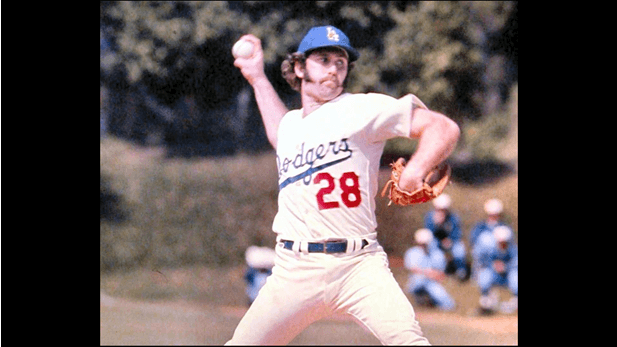
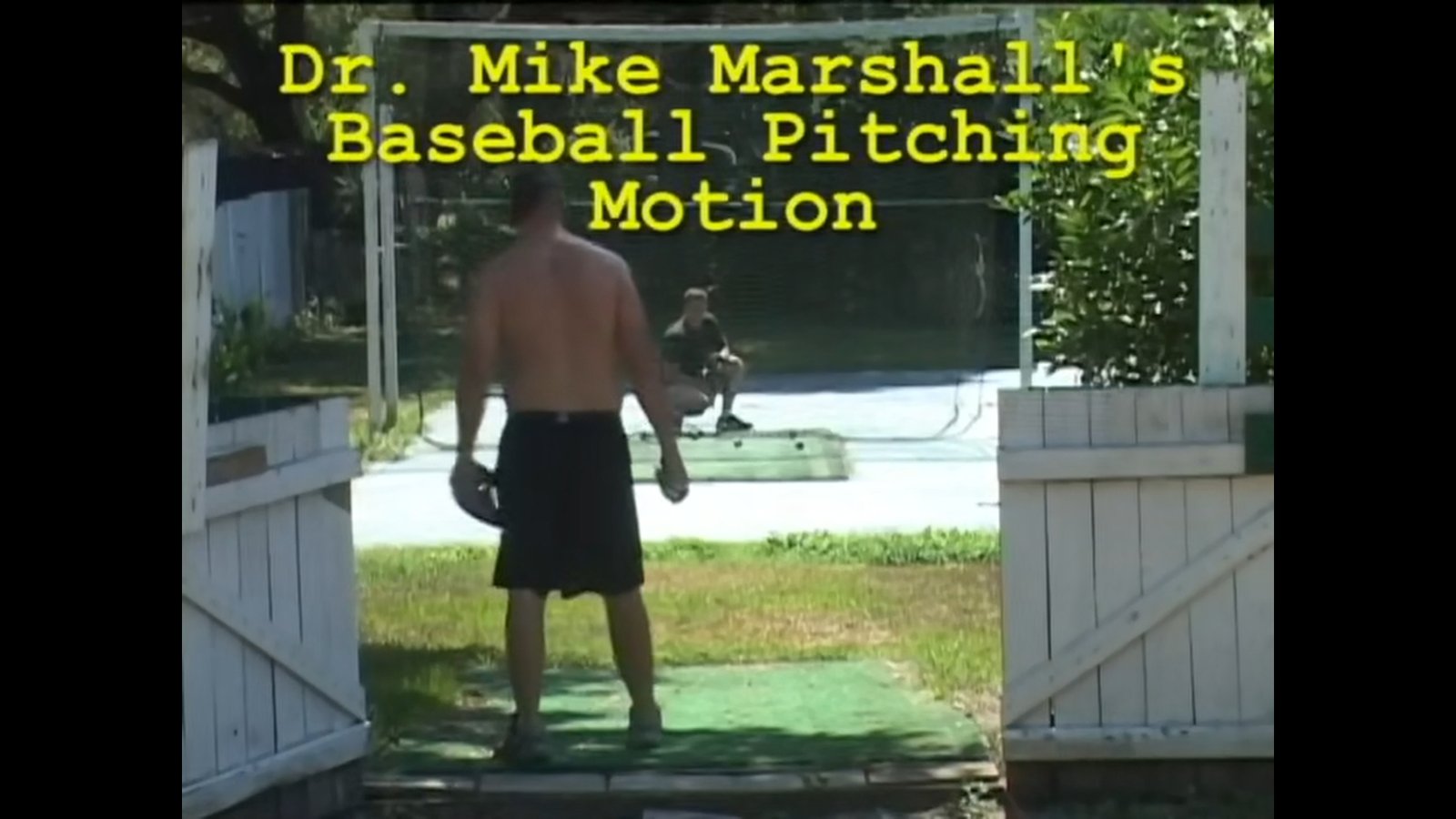
Dr. Mike Marshall narrates Jeff Sparks’ execution of Marshall’s pronation-based pitching mechanics—from Maxline Fastball to Torque Slider—each pitch designed to protect the arm and challenge conventional wisdom. Duration: ~9 minutes.
Pronation-Based Pitching: Marshall’s Legacy
Baseball has evolved—but not always in ways that protect young arms.
Dr. Marshall’s pronation-based mechanics challenged tradition, prioritized injury prevention, and anticipated many of today’s biomechanical insights. The following four sections explore how his ideas echo through modern pitching, why coaching “active pronation” sparks debate—despite biomechanical support, where today’s “adaptive” approach may fall short for youth players, and what medical studies reveal about long-term consequences. Note: Footnote details can be found in the “Footnote Sources & Supporting Materials” section located at the bottom of this webpage.
Pronation in Today's Game
For biomechanics enthusiasts, coaches seeking modern training methods, and anyone curious how Marshall’s ideas quietly shaped today’s game
Modern baseball science and MLB training have validated Marshall’s early insights. Today, they embrace key aspects of Marshall’s pronation philosophy—recognizing its value in pitch design and showing that forearm pronation can reduce elbow stress and improve force distribution.
- Sports science now tracks forearm rotation as a key biomechanical metric
- Pitchers use pronation to shape changeups, sinkers, and reduce elbow stress
- Many MLB teams now train pitching using pronation-focused drills—echoes of Marshall’s early work
Marshall’s system was prescriptive; today’s approach is adaptive. But the biomechanical principle he championed—intentional pronation to protect the arm—has found its place in the modern conversation.
Click image below to play video
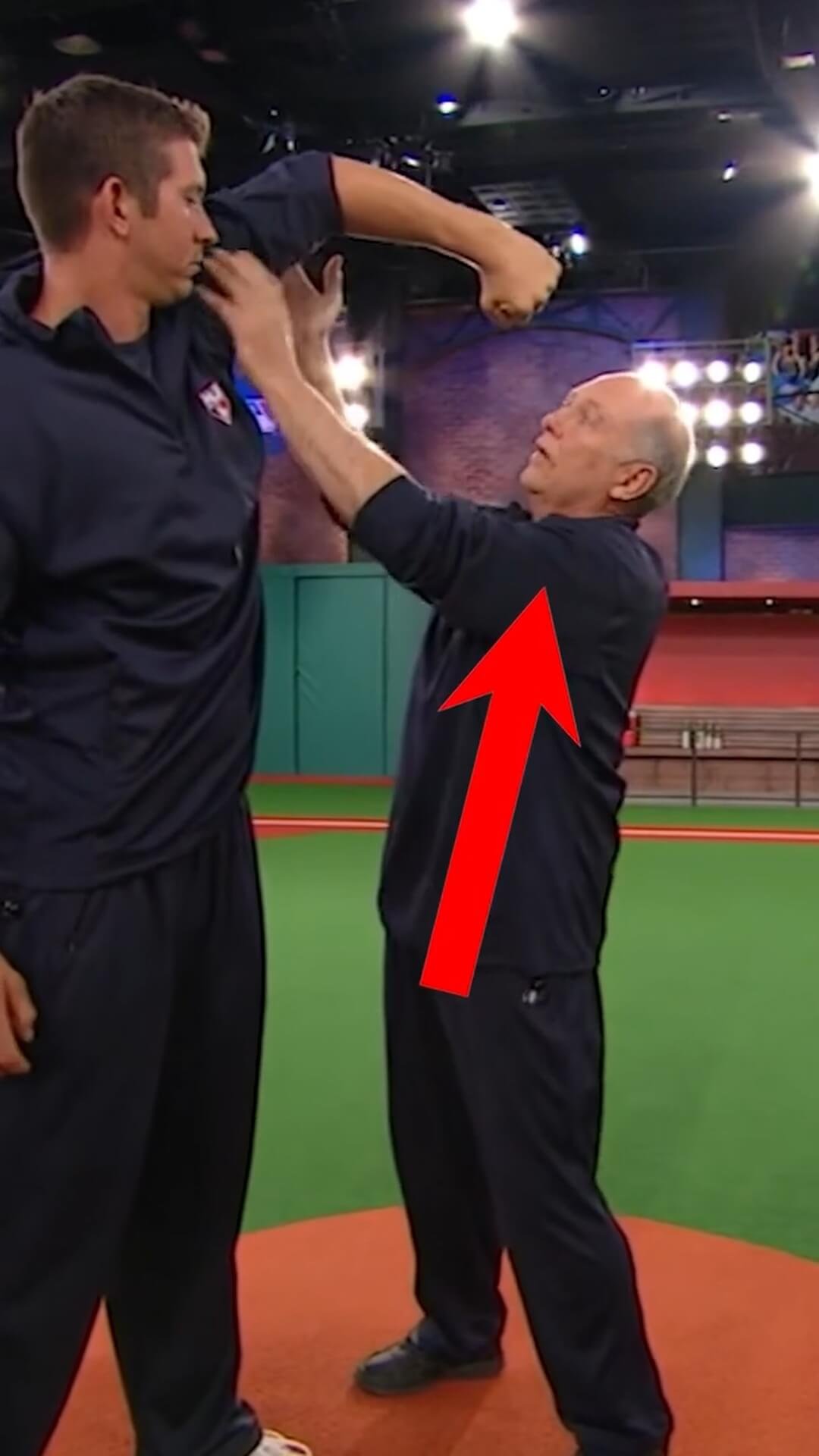
Edited archival footage of Dr. Mike Marshall. Original TikTok by @bbldoesntexist. Presented here for educational and instructional use.
Coaching Debate
For coaches, biomechanics theorists, and anyone wondering whether Marshall’s pronation cue was revolutionary, redundant—or just ahead of its time
Dr. Mike Marshall didn’t just challenge pitching mechanics—he challenged how mechanics were taught. His insistence on pronation as a protective movement sparked decades of debate among coaches, researchers, and motor learning theorists. Should pronation be actively taught? Or does it emerge naturally through adaptive movement?
Explore how Marshall’s pronation philosophy has been revisited, reframed, and at times resisted—revealing deeper tensions between biomechanics, coaching philosophy, and instructional practice. This section features two contrasting articles—one skeptical, one supportive—and invites you to consider how rising injury rates and evolving pitch design may reshape today’s coaching philosophy.
Featured Articles: So how do coaches today respond to Marshall’s pronation cue?
Should We Really Coach Active Pronation?
Baseball Development Group (2016)
Baseball Development Group revisits Dr. Mike Marshall’s pronation advocacy through the lens of motor learning theory and biomechanics research.
Their review of a 2016 Sports Biomechanics study questions whether pronation should be consciously taught or allowed to emerge naturally. Drawing on the work of Paul Nyman and Dr. Gabriele Wulf, they suggest that over-cueing may disrupt automatic movement patterns.
While the article doesn’t dismiss his influence, it frames Marshall’s approach as prescriptive and potentially misaligned with modern coaching strategies.
The debate raises a critical question: if early instruction shapes motor control, what happens when adaptation comes too late?
Proper Pronation Prevents Pitching Pain
TopVelocity (2011)
Brent Pourciau of TopVelocity credits Dr. Mike Marshall for pioneering pronation-based mechanics designed to protect the throwing arm—especially the elbow. He acknowledges that Marshall’s system may sacrifice velocity, but affirms its value in preventing injury, particularly for pitchers who rely heavily on off-speed pitches.
Pourciau’s 3X training system seeks to preserve Marshall’s protective intent while optimizing for performance.
This article offers a practical endorsement of pronation as a biomechanical safeguard, reinforcing Marshall’s legacy as a biomechanics-first educator whose ideas continue to influence injury prevention strategies.
In an era of rising pitching injuries, was chasing velocity worth the cost?
Dr. Marshall’s pronation cue wasn’t just mechanical—it was protective. While BDG’s 2016 review questioned whether pronation should be consciously taught, the injury landscape has shifted. Since that article was published, UCL surgeries from 2016 to 2024 rose by over 60% across Major and Minor League baseball [1] — a stark reminder that elbow stress remains a persistent threat.
Meanwhile, Brent Pourciau’s TopVelocity article affirms what Marshall long believed: pronation isn’t just a movement—it’s a safeguard.
These perspectives don’t resolve the debate, but they show that Marshall’s ideas remain in motion—still protecting arms, still provoking thought, and still challenging how we teach the game.
Adaptive vs. Prescriptive
For parents, coaches, and educators concerned about youth arm safety — and why early coaching instruction matters more than most parents realize
Why Today's Approach is Adaptive — and Why That Matters
Modern baseball calls its approach “adaptive” — meeting each pitcher where they are. But where they are is often the result of early motor imprinting, shaped long before biomechanics enter the conversation[2].
From T-ball onward, young players are taught how to throw by volunteer coaches—parents, former players, well-meaning mentors[3]. Most have no formal training in motor learning, kinesiology, or biomechanics[4]. They teach what they were taught. And what they were taught was often tradition—not science.
Early movement instruction is formative.
What gets repeated becomes reinforced.
What gets reinforced becomes default.
What becomes default can be difficult or dangerous to undo.[2] [5]
That’s why modern baseball adapts: it works with the mechanics a pitcher already has, rather than risk reprogramming them.
He believed:
- Youth pitchers should be taught pronation from the start—not corrected after breakdown.
- Coaches should understand biomechanics—not just repeat what they were taught.
- Injury prevention begins with education—not rehab.
Most parents know their child won’t make it to the pros[6]. But do they realize that poor mechanics in youth can damage or deform the pitching arm early—affecting the child’s ability to use their pitching hand to feed themselves, brush their teeth or shave their face… for the rest of their life? [7] [8]
Marshall did. And that’s why his system wasn’t just prescriptive—it was protective.
Medical Evidence
For injury prevention advocates, coaches and parents who want source-backed medical research on the long-term risks of poor mechanics for youth pitchers
What the Medical Literature Revealed and Why Marshall Listened
Marshall’s position on youth pitching wasn’t speculative—it was grounded in decades of medical research, dating back to 1930.[7] [8] [9]
On his original website, in Chapter 9: Research into Adolescent Pitching Arm Injuries of Coaching Pitchers, Dr. Marshall cited and curated over 40 studies from journals like JAMA, Pediatrics, California Medicine, and Clinical Orthopaedics.
These studies documented growth plate injuries, elbow deformities, and permanent loss of range of motion in adolescent pitchers—reinforcing his belief that poor mechanics in youth weren’t just inefficient, they were dangerous.
Pronation-based mechanics and conditioning aren’t fringe—they’re foundational.
Marshall taught it. Modern baseball now tracks it.
Watch Dr. Marshall’s X-rays of Youth Baseball Pitchers video below to see the full progression of youth elbow development.
Explore more of Dr. Marshall’s Instructional Pitching Videos
Dr. Mike Marshall didn’t just pitch differently—he taught differently. His pronation-based mechanics prioritized protection over convention, challenging how baseball trains its arms. From biomechanics to coaching philosophy to medical evidence, this page shows that Marshall’s ideas weren’t just ahead of their time—they’re still shaping the conversation.
As pitching injuries continue to rise, and as youth players face increasingly complex demands, Dr. Mike Marshall’s insights offer more than a historical footnote. They offer a framework for rethinking how we teach, how we train, and how we protect the next generation of throwers.
Are we teaching mechanics that protect — or just mechanics that perform?
Explore More related to Dr. Mike Marshall's Pronation-Based Pitching Mechanics
- ESPN Feature on Marshall’s legacy — Historical context and impact
- Chris O’Leary’s Pitcher Analysis PDF — Includes direct quotes from Marshall
- Baseball Action ID: Pronators vs. Supinators — Modern motor preference theory
Footnote Sources & Supporting Materials
[1] MLB Injury Report: “Pitching Injuries Are Rising. Here’s Why.” Major League Baseball, 2024.
[2] Comparison of OnBaseU Tests with Biomechanical Motion Analysis in Youth Baseball Pitchers, International Journal of Sports Physical Therapy.
[3] Little League University – Coaches Portal. LittleLeague.org.
[4] USA Baseball – Coaching Pathways FAQ. USABaseball.com.
[5] Adams, J.E. (1965). Injury to the throwing arm—a study of traumatic changes in the elbow joints of boy baseball players. California Medicine, 102(2):127–132.
[6] What Percent of High School Players Go to the MLB? Baseball Biographies.
[7] The Risks of Shoulder and Elbow Injury from Participation in Youth Baseball, AAOS Position Statement.
[8] Torg, J.S., Pollack, H., & Sweterlitsch, P. (1972). The effect of competitive pitching on the shoulders and elbows of pre-adolescent baseball players. Pediatrics, 49:267–272.
[9] Slager, R.F. (1977). From Little League to Big League—the weak spot is the arm. The Physician and Sportsmedicine, 5(3):91–97.
Marshall’s mission lives on.
Through Dr. Mike Marshall’s Pitching Academia, his pronation-based pitching mechanics continue to guide athletes toward safer, smarter performance.