Dr. Mike Marshall’s biomechanics pitching reform challenged tradition.
He filmed, analyzed, and studied the internal mechanics of pitching—not just to protect himself, but to guide others.
His biomechanics model exposed the flaws in traditional pitching mechanics that led to injury and inefficiency.
MLB coaches ignored it. Other athletes sought it out. Today, biomechanics is central to pitching development—but Marshall wasn’t following trends. He built the blueprint. He reshaped baseball’s future.
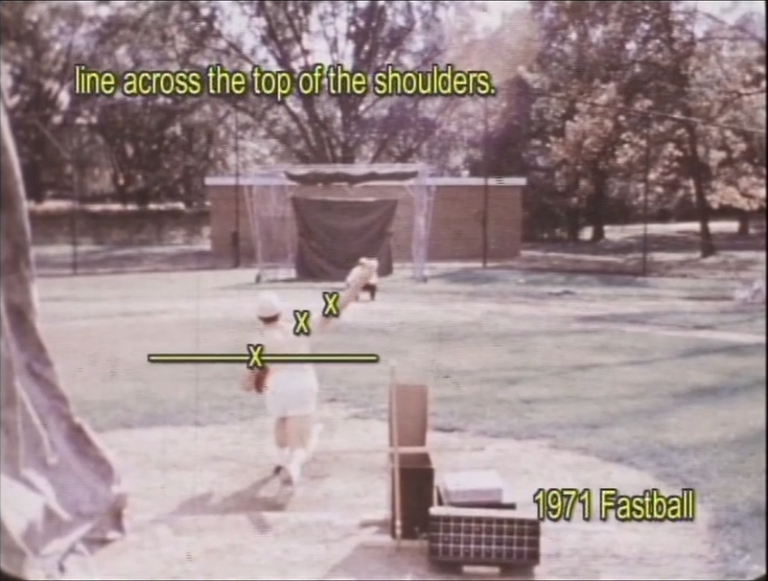
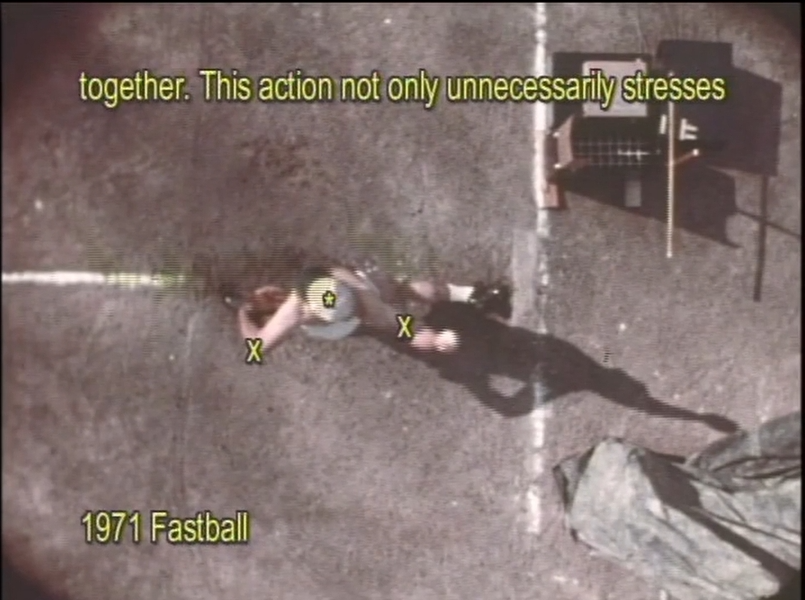
This 1971 still captures a traditional pitching motion annotated to show that it is anatomically impossible for the upper pitching arm to rise above parallel with the line across the top of the shoulders —a constraint rooted in anatomy, not coaching style.
X-Ray Analysis: Diagnosing Pitching Arm Damage Through Science
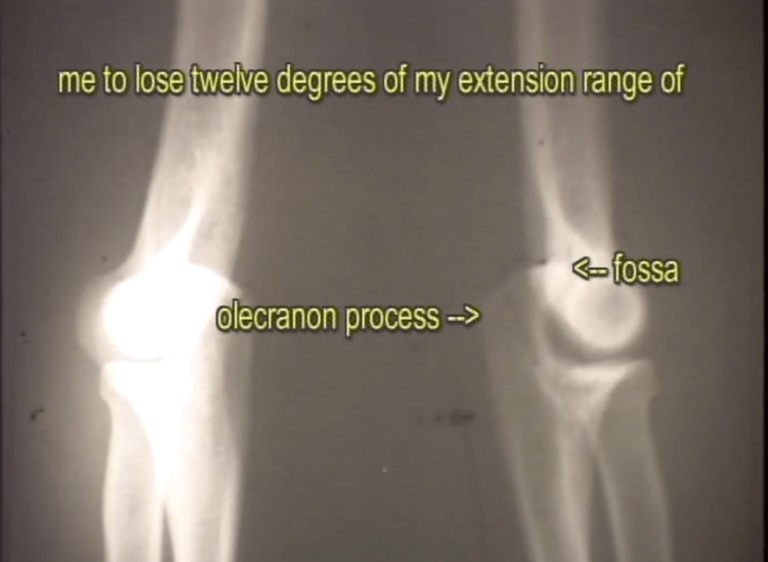
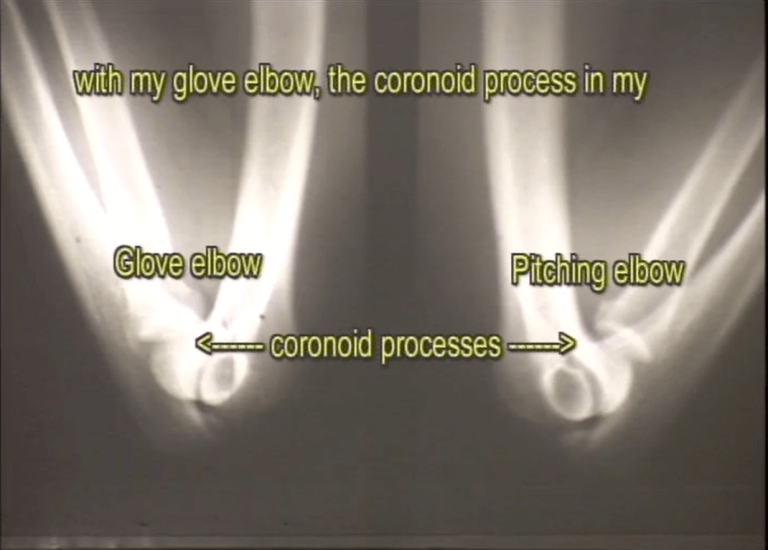
Dr. Mike Marshall’s biomechanics pitching reform began with X-ray analysis in 1967—documenting damage caused by traditional pitching mechanics.
He measured biomechanical discrepancies between the pitching and non-pitching elbows, including loss of range in extension and flexion. The results revealed early-stage injury patterns that feel-based coaching failed to detect.
Below are 1967 x-rays of Marshall’s elbows, which show twelve degrees loss due to throwing the traditional pitching motion.
High-Speed Film: Identifying Mechanical Flaws Frame by Frame
Marshall didn’t wait for motion-tracking labs to analyze mechanics — he created his own.
As part of Dr. Mike Marshall’s biomechanics pitching reform, he used high-speed film to expose flaws in traditional mechanics. He filmed his own pitching motion frame by frame, studying velocity, efficiency, and arm stress.
What He Discovered:
How arm angles and stride length affected velocity and endurance.
Why traditional mechanics placed excess stress on the elbow and shoulder.
How biomechanics could be used to correct flaws in pitching motion.
Marshall proved that throwing mechanics weren’t just about feel — they were about physics.Marshall’s frame-by-frame analysis predated modern motion-tracking systems—proving that reform didn’t wait for technology. It waited for someone to ask better questions.
Watch Marshall’s breakdown of one biomechanical flaw he identified
Biomechanics Across Sports: Helping Pitchers—and Beyond
Marshall didn’t keep his findings to himself. He believed understanding biomechanics wasn’t a competitive edge—it was a responsibility. He helped fellow MLB pitchers identify stress patterns that conventional wisdom missed—knowing that the body’s truth belonged to every pitcher.
Dr. Mike Marshall’s biomechanics pitching reform extended beyond baseball—helping elite athletes from other sports uncover hidden mechanical stress.
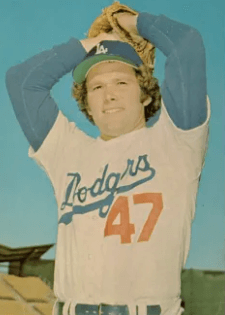
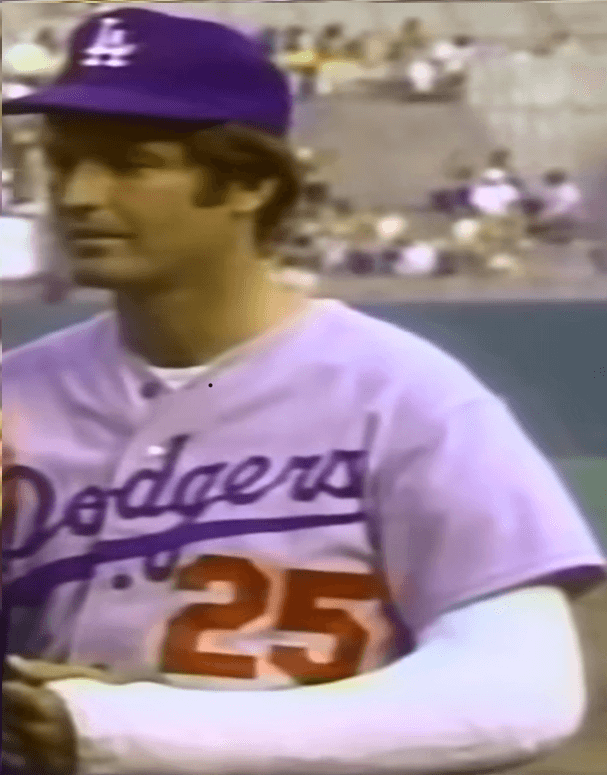
Helped fellow pitchers, Tommy John and Andy Messersmith, identify arm stress patterns using biomechanics analysis.
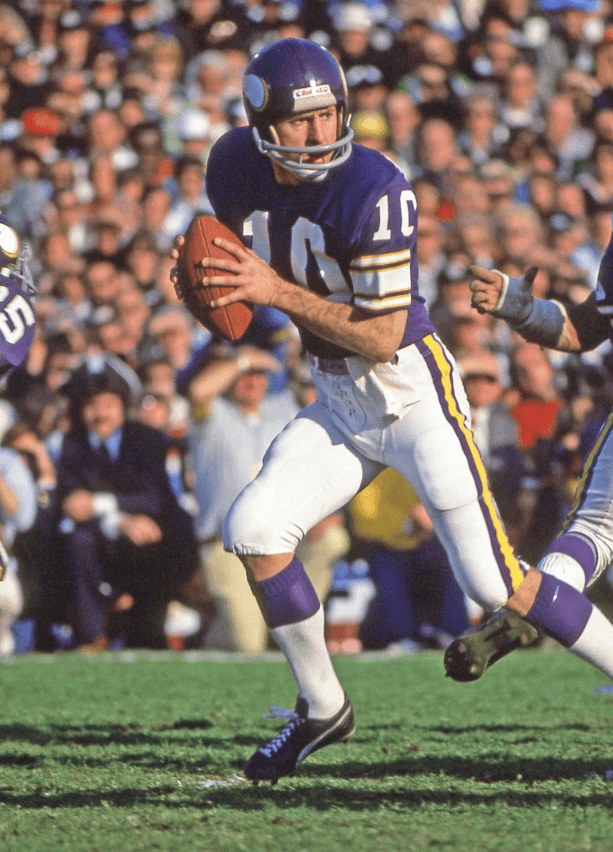
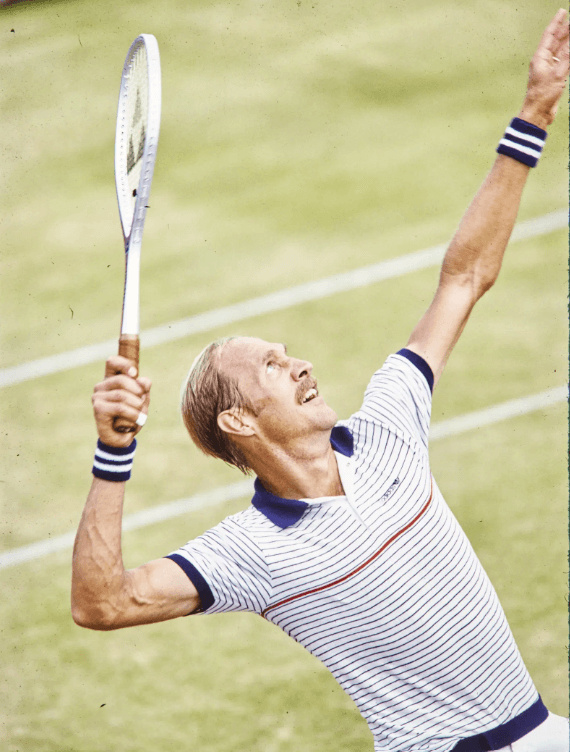
Consulted with athletes like Fran Tarkenton (Minnesota Vikings quarterback) and Stan Smith (professional tennis champion) who sought biomechanical clarity beyond their sport’s conventions.
Linked peak performance with injury prevention through biomechanical truth.
Andy Messersmith - LA Dodgers - mid-1970s
Tommy John - LA Dodgers - post-UCL reconstruction surgery
Fran Tarkenton - Minnesota Vikings - mid-1970s
Stan Smith - Tennis icon - 1970s
Even as football and tennis athletes embraced biomechanical principles, MLB continued to resist Marshall’s findings—until much later.
Further Study: To explore the full scope of biomechanical flaws Dr. Mike Marshall identified—along with their causes and scientific fixes—watch his Biomechanical Flaws instructional video.
Dr. Mike Marshall’s influence wasn’t limited to his own motion. Over the coming pages, we’ll explore how he applied these principles—helping elite athletes rebuild their mechanics, extend their careers, and reshape their understanding of motion.
Thank you so much for taking the time to read and share your thoughts. Every comment helps keep Dr. Marshall’s legacy alive and sparks deeper conversations around the science he devoted his life to.
error: Content is protected !!
wpDiscuz
2
0
Your perspective matters—add your voice to the conversation.x

Enjoyed reading Dr Mike’s insights on the science of pitching.
Thank you so much for taking the time to read and share your thoughts. Every comment helps keep Dr. Marshall’s legacy alive and sparks deeper conversations around the science he devoted his life to.